

For chemical enterprises, the difficulty in digitalizing safety management has never lain in “deploying a system,” but in “keeping it in continuous use and truly managing with it.” At many companies, enthusiasm fades after the system goes live, and it ultimately becomes mere decoration. Henan Junhua, a subsidiary of Luxi Group, however, has kept a safety management information system running stably for five years, using it more and more deeply. It has now become a demonstration model for safety management digitalization in southern Henan.
Regulatory Requirements and Internal Needs Are in Sync Here
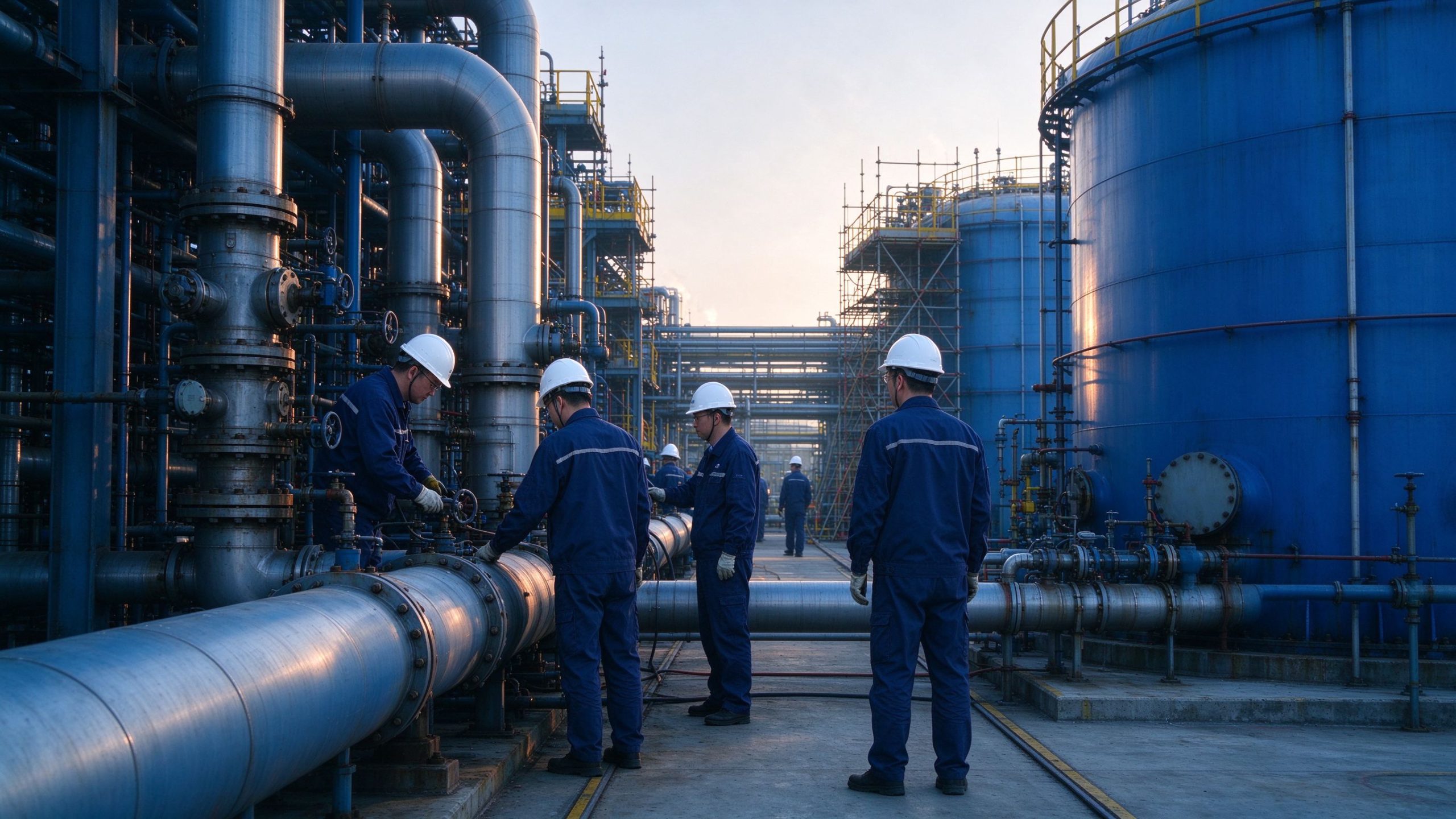
Around 2021, safety management digitalization was listed as a rectification item in the SASAC safety inspection, and the “Online Sinochem” strategy was advancing in parallel. For central chemical enterprises, safety management digitalization changed from an “optional item” to a “mandatory question.” Henan Junhua did not stop at a passive response; instead, it treated this as an opportunity for management upgrading and took the lead in launching construction, going live more than a year earlier than similar enterprises in the province. Behind this forward-looking layout is a clear understanding that “safety is the lifeline of a chemical enterprise.”
From paper ledgers to intelligent full-process management and control
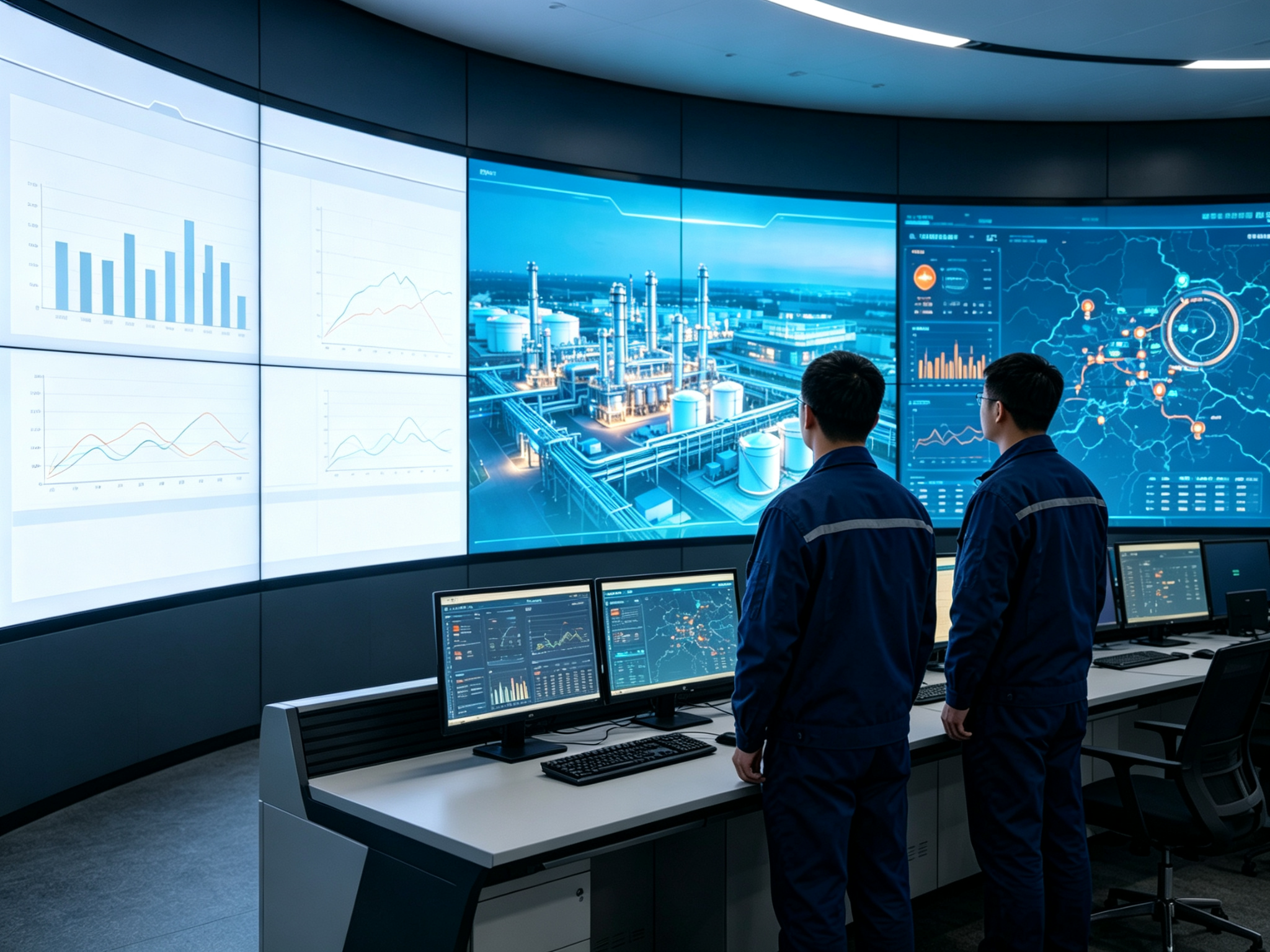
At that time, safety management at Henan Junhua still relied mainly on paper ledgers, with on-site conditions dependent on manual records and experience-based judgment; information was difficult to accumulate, and risks were difficult to track. After the system was built, core modules such as major hazard source monitoring and early warning, dual prevention management, special operations management, and intelligent inspection were successively launched, covering the core scenarios of safety management. From risk identification and operation control to hidden danger investigation and governance, a full-process, all-round closed-loop management framework was thus formed, and safety management moved from “human-based prevention” to “collaboration between technical and human-based prevention.”
From Internal Value to Regional Demonstration
System go-live is only the starting point. Over five years, all modules have maintained stable online operation, with functions continuously iterated in line with management needs. Relying on on-site service, Gongzhidao maintains high-frequency communication with the client’s management team, keeping the system consistently aligned with frontline realities. Sustained investment has generated spillover value. With solid implementation results, Henan Junhua has become a benchmark for enterprise safety informatization in southern Henan, taking on the role of hosting visits, exchanges, and system demonstrations for similar enterprises in the region. Its practices were also selected as a regional outstanding representative case organized by the Henan Provincial Emergency Management Department, providing peers with a referable transformation path.
The Logic Behind Long-Term Cooperation
From initial construction to multi-phase deepening cooperation, collaboration between the two sides has never stopped at “delivery” but has extended into ongoing operational companionship. Rapid response, on-demand customization, and communication at any time allow the system to continuously find a balance between regulatory requirements and the enterprise’s internal needs. This is also why the system has maintained a rare high level of activity among similar projects.
Digitalizing safety management is essentially about precipitating management requirements into an enterprise’s long-term capabilities. Henan Junhua’s practice shows that when technology truly fits the management site and services truly respond to frontline needs, digitalization will not become a mere formality but will become the most solid link in the enterprise’s safety management system. This is exactly the direction Gongzhidao has always pursued—not limited to delivering systems, but accompanying enterprises in using digitalization to create value.